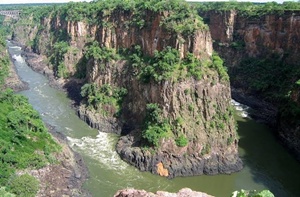
Biodiversity dynamics and ecosystem services of river confluence zones in west Africa under human and climate impacts
Abstract
River confluence zones are recognized as critical ecological systems, characterized by high spatial heterogeneity, high biological productivity and important socio-economic value for local communities. These environments are critical for West Africa's biodiversity conservation, hydrological regulation and livelihoods. However, they are increasingly threatened by pressures such as climate variability, agricultural expansion, urbanization, over-exploitation of natural resources and hydromorphological alterations. Despite their ecological and socio-economic importance, scientific knowledge on their potential flora and fauna and on their ecosystem services is fragmented and insufficiently structured, especially when considering river confluence areas. This systematic review aims at critically reviewing the existing knowledge on biodiversity dynamics and ecosystem services in the light of the anthropogenic and climatic pressures affecting river confluence zones in West Africa. The research strategy is reproducible, based on the Scopus database, and dimensions (1996-2026), and resulted in a final corpus of 52 documents after applying the ROSES protocol. The results show an increasing scientific interest, since 60.9% of the publications were published after 2016. The most reported factors are flood regimes (61.5%) and agriculture (28.4%), while the methodological frameworks are dominated by remote sensing approaches. Key gaps remain on integration of socio-economic dimensions, participatory methods and knowledge on confluence dynamics. These findings emphasize the necessity of shifting the research paradigm to one that is more interdisciplinary and integrated, which is critical for providing the basis for effective conservation policies adapted to the specific challenges facing West African river confluence ecosystems.
Keywords: River Confluence, biodiversity, ecosystem services, West Africa, anthropogenic pressures, climate variability, systematic review, bibliometric analysis
INTRODUCTION
River confluences are dynamic ecological transition zones where different water regimes combine to create a range of diverse and lively habitats. This spatial and functional heterogeneity often results in higher biological richness than isolated parts of a river (Liu et al., 2025). Most recently, environmental DNA (eDNA) studies have consistently shown the highest levels of Shannon diversity at these confluences, with significant differences in diversity compared to isolated stretches of the main river. This underscores the importance of these junctions as biodiversity hotspots (Liu et al., 2025). In West Africa, these areas are of particular importance for the maintenance of biodiversity, regulation of floods, recharging of groundwater, and provision of critical natural resources for local communities (Abate et al., 2025a).
Wetland confluences are exposed to a complex mixture of natural and anthropogenic pressures. Climate variability in the form of irregular rainfall patterns and increasing frequency of extreme weather events alters hydrological regimes and impacts the structure of biological communities (Bodjrènou et al., 2025a, 2026). The recent studies in Benin show an increase in average temperature, very variable rainfall and an increase in floods and droughts. This highlights the urgent need to better understand hydroclimatic dynamics (Bodjrènou et al., 2025a). Projections in the Ouémé River delta show that a 20% loss of forest cover could cause major disturbances in water balance with direct impacts on adjacent wetlands (Bodjrènou et al., 2026). At the same time, agricultural expansion, deforestation, intensive fishing, material extraction, and urban development are fragmenting habitats and gradually degrading ecosystems (Chapman et al., 2022; Garba et al., 2025). A high-resolution pan-African map (10 meters), published in 2025, reveals a strong link between wetland fragmentation and human population density, estimating that fragmented wetlands could release approximately 0.6% of global annual CO2 emissions (Garba et al., 2025).
River confluences have great ecological importance and are under increasing threat, yet they are a relatively understudied ecological unit. Most research focuses on wetlands in general without specifically exploring the unique dynamics at confluence zones (Lynch et al., 2023). Furthermore, scientific approaches are often sectorized with a clear distinction between ecological studies and socio-economic analyses (Dalu et al., 2025a; Karimi et al., 2025). The fragmentation limits our capacity to fully comprehend the rich plant and animal biodiversity supported by these environments (Dalu et al., 2025a). Recent syntheses reveal that more than a third of the world’s wetlands have disappeared between 1970 and 2015 , at a rate three times that of forests . The threats facing these ecosystems are complex and interlinked (Lynch et al., 2023).
In this context, this systematic review aims to answer four main questions: What are the new trends in the science of confluences of rivers in West Africa? What climatic and anthropogenic factors shape the biodiversity of these environments? What are the most reliable ways to assess their ecological potential? And what are the remaining gaps in integrating ecological and socio-ecological perspectives?
METHODOLOGY
Data collection
The review was performed in a systematic manner with a reproducible literature search strategy. Using carefully constructed keyword combinations based on the PICO model (Population, Outcome, Setting) (Table 1)– a method commonly used in systematic reviews (Petrokofsky et al., 2015) – the international databases Scopus and Dimensions were queried. Boolean operators (AND, OR) were used to combine keywords related to river confluences, wetlands, biodiversity, ecosystem services, human pressures and climate variability in West Africa (Petrokofsky et al., 2015). The search was broadened by the use of truncation symbols (*) in fields like Title, Abstract and Keywords. The review is based on the publications from 1996 to 2026 to cover the recent trends of research amidst the changing environment in the region.
The resulting sets of terms were then combined using the AND operator to create a structured and comprehensive search query. The search string used for titles, abstracts and keywords of the publications is displayed below: ( TITLE-ABS-KEY ( “river confluence” OR “fluvial confluence” OR “wetland*” OR “flood plain” ) AND TITLE-ABS-KEY ( “biodiversity” OR “species richness” OR “floristic diversity” OR “faunal diversity” OR “climate variability” OR “rainfall variability” OR “drought” OR “flood*” OR “land use change” OR “deforestation” OR “agriculture” OR “urbanization” OR “ecological assessment” OR “biodiversity assessment” OR “ecosystem services assessment” OR “remote sensing” OR “GIS” OR “field inventory” OR “ecosystem services” OR “local perception” OR “community participation” OR “socio-ecological system” OR “livelihood” ) AND TITLE-ABS-KEY (“West Africa” OR “Benin” OR “Nigeria” OR “Ghana” OR “Togo” OR “Burkina Faso” OR “Niger”)) (Table 1).
Process of Document Selection
We performed a first search on Scopus and Dimensions and retrieved 924 documents between 1996 and 2026. These were then subjected to a rigorous selection process based on the ROSES protocol (Reporting Standards for Systematic Evidence Syntheses) (Kohl et al., 2018). We filtered out duplicates, and the final pool included 869 documents from the original set. We then screened the remaining documents in a two-step process again using the ROSES guidelines to make sure that we chose the most relevant and high-quality evidence for our review.
The inclusion criteria for this first selection were: (1) scientific article or literature review; (2) published in a peer-reviewed, indexed journal; (3) covering the period 1996-2026; (4) written in English or French; (5) explicitly focusing on wetlands, river confluences or floodplains in West Africa; and (6) addressing at least one of the four main themes of the review: the spatio-temporal dynamics of vegetation, plant and animal diversity, ecosystem services or the human and climatic pressures impacting biodiversity. A total of 869 documents were initially screened by title and abstract and 721 documents were removed. This left 148 documents to be reviewed. If a document was deemed relevant at the abstract stage but there was some doubt, the document was retained for detailed assessment in the full text review (Garcia-Yi et al., 2014). The second step was a careful review of the 148 pre-selected documents, to assess their methodological rigor and their actual empirical contribution to the four research questions we had set. We kept only the documents that met three additional criteria: (1) presenting original quantitative or qualitative data on the biodiversity or ecosystem services of wetlands and river confluences in West Africa; (2) having a clearly described and reproducible methodology; and (3) providing substantial and interpretable results on at least one of the topics we studied. Documents that only provided general descriptions without empirical data, or whose link to strictly defined river confluence areas or wetlands in West Africa was not explicitly established, were excluded. 96 articles were excluded after full texts review. This stepwise selection procedure finally resulted in a total of 52 studies included in the detailed analysis.
Analysis of bibliometric data
We calculated some bibliometric performance indicators to shed light on the evolution of scientific research worldwide over time. These included the annual number of publications, average annual growth rate, average number of citations per document, average number of co-authors per paper and rate of international collaboration. For this purpose, we used the bibliometrix package in the R software environment (Aria & Cuccurullo, 2017).
We also performed a co-occurrence analysis of keywords (author-supplied and index terms) to determine the main research topics that are influencing the literature. This analysis also provided the opportunity to examine the interrelations of the themes, providing a more holistic perspective of the research landscape. The effects of climatic and anthropogenic factors on biodiversity were assessed. Assumptions of normality and homogeneity of variances were checked and the non-parametric Kruskal–Wallis test was applied to compare biodiversity scores among different factors. When significant differences were detected, post hoc comparisons were performed using Dunn’s test with Bonferroni correction and groups with similar characteristics were identified using the compact letter display system. The epsilon squared (ε²) coefficient was used to estimate effect size. All analyses were performed with R (version 4.3.x) and a significance level of p < 0.05.
RESULTS AND DISCUSSION
To what extent is the scientific literature recognizing the resilience of ecosystems and local communities in West African river confluence zones to human pressures and climate variability?
The bibliometric analysis shows an average annual growth rate of 1.72% and an average citation per document of 24.07. This demonstrates the continued interest of the scientific community in the topics of biodiversity and ecosystem services of wetlands in West Africa. Likewise, the analysis of trends of scientific publications through time shows three different research periods (Figure 2). The first period, from 1996 to 2005, was marked by low and sporadic research output, with a total of 119 documents published over ten years—accounting for about 13.7%. The annual number of publications ranged from 7 to 18 articles, reflecting the emerging nature of studies on biodiversity and ecosystem services in the floodplain regions of West Africa. Despite this modest beginning, this period coincided with the initial major institutional initiatives aimed at promoting research in this field : The publication of the initial reports on the state of the world’s wetlands by the Ramsar Convention, along with the landmark release in 2005 of the Millennium Ecosystem Assessment (Ferdinand et al., 2025), marked significant milestones. This foundational document helped popularize the concept of ecosystem services on a global scale and raised awareness within the international scientific community about the rapid decline of wetlands. It also laid the essential conceptual and methodological groundwork for further research in this vital field.
The second period (2006-2015) was characterized by a steady and more consistent growth with 221 documents published, corresponding to 25.4% of the total. This phase of consolidation was driven by several important scientific and political developments. It is worth noting that the Fourth Assessment Report of the IPCC (Boko et al., 2007) has dedicated a special chapter to impacts of climate change in Africa. This report attracted more scientific attention to the vulnerability of the region’s aquatic ecosystems and wetlands, and identified issues such as interannual variability of rainfall, recurrent droughts and hydrological disruptions affecting West African rivers.
The progress achieved in conservation has also been greatly influenced by the Strategic Plan for Biodiversity 2011-2020 and the twenty Aichi Targets adopted during the tenth meeting of the Conference of the Parties (COP10) in Nagoya in 2010. Special mention should be made of Target 5 which is to halve the loss of natural habitats. Target 11 is about protecting at least 17 per cent of terrestrial and inland water. These objectives have fuelled the production of essential baseline scientific data required for monitoring and assessing progress (Tittensor et al., 2014). This race for data has increased the awareness and understanding of the state of African wetlands gradually shaping the direction of research on the subject. At the same time, the availability and affordability of spatial data on West African wetlands grew with high-resolution remote sensing technologies like Landsat and MODIS. Technological advances have led to a growth of studies combining Geographic Information Systems (GIS) with biodiversity analysis, enhancing our knowledge and supporting conservation actions. The third period (2016-2026) is the turning point in the trajectory of scientific research. There are 529 publications in this period, accounting for 60.9% of the overall output. This increase is particularly evident after 2021, with a string of peaks: 68 articles in 2021, a peak of 74 articles in 2022, and 71 articles in 2025. This rise coincides with the convergence of several international political agendas. The role of ecosystems in adaptation to climate change was explicitly recognized as important with the adoption of the Paris Agreement on Climate Change (UNFCCC, 2015) in December 2015, especially under Article 7. This awareness has increased the need for scientific evidence on the vulnerability of wetlands to hydroclimatic changes, particularly in West Africa. At the same time, the United Nations Sustainable Development Goals (UN SDGs, 2015) explicitly included wetland protection as a major driver for sustainable development. The research funding was guided by goals such as SDG 6 (Clean Water and Sanitation), SDG 14 (Life Below Water) and SDG 15 (Life on Land) in the understanding and protection of wetlands, emphasizing the value of wetlands for ecological health and human well-being. Finally, COP15 in December 2022 saw 192 countries adopt the Kunming-Montreal Global Biodiversity Framework (CBD, 2022). This framework contains 23 targets to halt and reverse biodiversity loss by 2030, including explicit references to wetlands as part of Target 2 on restoration and Target 3 on protected areas (the 30×30 goal) (Convention on Wetlands/STRP, 2023). This milestone is the latest to trigger international scientific mobilization. The acceleration observed between 2021-2022 reflects a confluence of political commitments and an increasing capacity for regional analysis, driven in part by the development of open data platforms such as Copernicus and Google Earth Engine, and the internationalization of research networks.
Geographic analysis of affiliations shows a high concentration of scientific output in some West African countries. Niger (222 documents, 25.5%) and Nigeria (211 documents, 24.3%) are the clear leaders in the region, the two producing almost half of the total scientific output. Ghana is in third place with 108 documents (12.4%), followed by Senegal with 28 documents (3.2%), Benin with 49 documents (5.6%), Guinea with 19 documents (2.2%) and Burkina Faso with 18 documents (2.1%).
Climate and human factors that shape the biodiversity dynamics in West African river confluence zones
The analysis of the frequency of references to the key factors affecting biodiversity reveals a clear hierarchy between climatic variables and human pressures. The most important of the climatic factors is the flooding regime, which is present in 61.5% of the documents. This is significantly higher than annual rainfall (16.2%), drought (13.5%), temperature (9.5%) and interannual variability (2.7%), highlighting the central role of hydrological dynamics in the functioning of ecological areas in West African river confluences (Bodjrènou et al., 2025b) (Figure 4). On the human side, the most reported pressure is agriculture, which appears in 28.4% of the studies. This is followed by urbanisation (16.9 %), intensive fishing (8.8 %), deforestation (8.1 %). Such patterns are characteristic of the ongoing land conversion and urban sprawl in the region (Masolele et al., 2024a). Interestingly, only 0.7% of the documents mention sand extraction which is quite low given its well-known impact on river habitats. This points to a substantial research gap related to this specific pressure (Hemmler et al., 2025a).
The Kruskal-Wallis analysis shows an overall significant effect of the main factors on biodiversity scores (H(9) = 102.64; p < 0.001). The effect size is large (ε² = 0.80). This suggests that variation in scores can be explained by climate or human activity by about 80%. Pairwise comparison with Dunn’s post-hoc test with Bonferroni correction identifies three main groups of factors that are fairly similar within groups. Crucially, flooding is clearly different from all other factors (letter c; median = 73.2; p < 0.001 for all significant differences), highlighting its overriding role in determining biodiversity at river confluence zones. This finding is consistent with the reports found in 61.5% of the studies reviewed (Figure 5). Annual rainfall (letter ac, median = 60.1) is intermediate and not significantly different from flooding or drought, but significantly different from urbanization (p < 0.001). Drought (letter a; median = 53.1) and temperature (letters abc; median = 52.2) have moderate scores and do not differ significantly from each other. In contrast, the human pressures tend to have the lowest scores, with urbanization (letter b; median = 33.7) and sand extraction (letters ab; median = 24.9) being significantly lower than flooding (p < 0.001) and annual rainfall (p < 0.001), reflecting their particularly negative impact on biodiversity. Agriculture (median = 42.9), deforestation (median = 36.9) and intensive fishing (median = 38.2) share the label ‘ab’, as they have similar negative impacts but are much less severe than flooding.
These changes in hydrology have profound ecological consequences, particularly in areas where rivers meet, since the biodiversity there is strongly controlled by the degree of connection among the various aquatic habitats. Studies of floodplain ecosystems have shown that fish species richness is significantly higher when habitats are connected to the main channels for extended periods. For example, floodplain basins that are connected to main channels for more than 25 days are more likely to support diverse fish communities than isolated habitats. In addition, links of up to ninety days are conducive to the greatest species richness (Pratt et al., 2025). Extreme drought events, on the other hand, can induce profound changes in the functional structure of biological communities by selecting species tolerant to low water depths, eutrophication and hypoxia. This often results in a gradual homogenization of faunal assemblages (Huang et al., 2025). Such hydroclimatic disturbances are likely to induce long-term changes in the processes that promote biodiversity in the West African confluence zones where hydrological fluctuations are important in shaping the dispersal, reproduction and recruitment of species (Bodjrènou et al., 2025b). The effect of drought, the second main climatic factor identified in the study, is closely related to the impact of the hydrological regime. Recent years have seen major low rainfall episodes, namely the drought caused by the El Niño phenomenon in 2023. These events have resulted in significant soil moisture depletion and negative vegetation anomalies in some African countries (Kongo & Arreyndip, 2025). Analyses of standardized precipitation and evapotranspiration indices (SPEI) demonstrate a clear negative correlation between drought severity and wetland ecosystem health. Vegetation cover has notably been greatly reduced in confluence ecosystems in semi-arid regions (Abate et al., 2025b). Climate projections also indicate that the frequency of extreme rainfall events may increase in many wetlands in arid regions. The increase of intense precipitation increases the risk of flooding and water stress events, which in turn increases the vulnerability of habitats and biological communities (Mishra et al., 2026). In addition to these changes in water regimes, temperatures are steadily rising in regions. In West Africa, the climate is warming at an estimated rate of about 0.3°C per decade, for example. This warming influences the ecological and physiological conditions of the species in aquatic and riparian environments (Adeyeri, 2025). As temperatures rise, species distribution models reveal a shrinking of suitable habitats and a geographic shift in many plant and animal species. These movements can disrupt ecosystems and endanger biodiversity (Bouregbi et al., 2025).Several studies indicate that the most specialized waterbird populations in wetlands experience serious declines with increasing summer temperatures. Conversely, more generalist and ecologically tolerant species tend to either remain stable or even increase in number (Bouregbi et al., 2025). This trend suggests a gradual homogenization of biological communities in areas where rivers meet, often at the expense of rare species or those that rely heavily on stable hydrological conditions.
Climatic factors are fundamental to the functioning of confluence zones ecosystems, but human activities are becoming a major driver of biodiversity loss. The most commonly cited factors in the scientific literature are agriculture and land-use changes. Riparian wetlands are being converted to agricultural land to meet the increasing food demands of the growing population thus profoundly altering natural habitats. A high-resolution continental analysis revealed that cereal cultivation is a major driver of deforestation in Africa, with several West African countries such as Niger, Nigeria and Gambia showing particularly high rates (Masolele et al., 2024b). Agricultural expansion into the forested areas of the region is also being driven by cash crop farming, especially for cocoa, cashew and oil palm. This trend is causing more destruction of habitats in the floodplain areas, which affects the local ecosystems (Masolele et al., 2024b). A recent review of ten West African countries confirms that agriculture is the main driver of recent changes in forest ecosystems, with an estimated loss of over 52,000 ha of forest each year between 2010 and 2020 (Guiatin, 2025). These changes have a strong impact on biodiversity, especially reducing the richness of amphibians, reptiles and birds, particularly those species specialized to forest habitats. Their numbers are reduced sharply when their natural habitats are converted to agricultural use.
Land use changes are direct drivers of deforestation and habitat fragmentation but are also independent ecological pressures . In Africa, spatial analyses show a clear positive correlation between human density and wetland fragmentation, demonstrating the growing effect of human activities on the degradation of aquatic and riparian habitats (Garba et al., 2025). In West Africa, the reduction in forest cover modifies the hydrological functioning of watersheds, affecting infiltration, runoff and flow regulation, and thus disrupting the natural balance of these ecosystems. Simulations in Ouémé Delta indicate that 20% of deforestation can cause significant changes in low flow patterns and increase the severity of floods. These changes could have direct impacts on the habitats and biological communities of the wetland confluence areas (Bodjrènou et al., 2026). Results such as these underscore the role of riparian vegetation in the maintenance of ecological resilience of river systems.
Another important factor influencing river confluences is urbanization. As cities grow, more land is covered with pavement, creating more impermeable surfaces. This change disrupts natural water flow patterns and results in greater pollutant loads into our streams and rivers. According to a comprehensive meta-analysis of 163 studies, urbanization has one of the most significant impacts on freshwater biodiversity. It substantially decreases species diversity and changes the makeup of aquatic communities (Strayer et al., 2025). These effects are especially evident in the Volta Basin where water quality has been declining due to rapid urbanization, increased usage of fertilizers, pesticides and heavy metals. This decline is directly affecting aquatic communities and the food chain around it. In a number of West African cities, observations indicate a rapid expansion of built-up areas and a steady decrease in vegetation cover. These changes further increase the pressures on natural habitats (Iduseri et al., 2024).
The fishing resources in the confluence areas are also under increasing pressure as fishing activities intensify. Time series analyses of catches from several West African fisheries show that fish stocks have been declining slowly during the past decades. This decline has been attributed to a reduction in average fish size and a shift in species composition, where larger, high-trophic level species have been gradually replaced by smaller, less specialized species (Lemrabott et al., 2024). Comparisons between protected sites and those under intense fishing pressure in Sahelian wetlands highlight that fish and macroinvertebrate diversity remains much higher in ecosystems benefiting from conservation measures (Kaboré et al., 2022). These results underscore the fact that overfishing causes a reduction in fish populations and disrupts the whole aquatic ecological networks.
Finally, sand extraction is an increasing pressure with ecological impacts that are still relatively under-documented in West Africa, despite their potential importance. Studies of the Niger River in Mali show that the amount of sand removed is greater than the natural ability of the river’s sediment to replenish itself, resulting in a gradual deepening of the riverbed (Hemmler et al., 2025b). It is known to damage spawning and nursery habitats, disturb fish migrations, increase water turbidity and change the species composition of biological communities, favouring species that are better adapted to these disturbed conditions (Damseth et al., 2024). Recent syntheses suggest that these effects are particularly alarming in confluence zones where the co-existence of a wide range of hydromorphological habitats is one of the main foundations of the rich biodiversity there.
The analyses of the studies also show that the impact of each factor alone is less important than the interaction between climate change and human pressures in the case of river confluence zones. For example, periods of drought often lead to increased agricultural expansion into floodplains, removing critical ecological refuges when they are most needed for species survival (Abate et al., 2025b). Urbanization also amplifies the effects of extreme hydrological events by increasing surface runoff and decreasing the natural regulation capacity of riparian ecosystems. At the same time, deforestation increases the impacts of both floods and droughts (Bodjrènou et al., 2025b). All these interactions produce complex non-linear ecological responses that are yet not well explored in the regional literature. Multi-factorial approaches have been used in a few studies, which emphasize that the current and future trajectories of the biodiversity in the river confluence zones of West Africa, can be exclusively accounted by an integrated analysis of the climatic and human-related factors (Pratt et al., 2025).
What evaluation methods are used to stimate the faunal, floral, and ecosystem services potential of river confluences in West Africa ?
Various methods are applied to evaluate the ecological potential of river confluence areas in West Africa. Among these are the most used tools of remote sensing and Geographic Information Systems (GIS). Traditional field methods like plant inventories, transect surveys, trapping and experimental fishing are less frequently employed.
Field ecological methods
- Floral inventories by transects and quadrats
Floristic inventories are the standard method for characterising the plant diversity of confluence wetlands. In West Africa, these inventories are typically carried out using a combination of belt transect method and quadrats. In Ghana, Dalu et al. (2025b) used the belt transect approach with quadrats of 1 m2 and recorded a total of 50 plant species in two contrasting sites in coastal wetlands. Studies of floodplain wetlands of the Lower Niger Basin in Nigeria included floristic surveys along six 100 m transects. Each transect was divided into five 10 m × 10 m quadrats separated by 10 m. Fieldwork was undertaken in the dry season (February) and rainy season (July) to observe changes in phenology and to establish the IUCN conservation status of the species identified (Mbong et al., 2025).These protocols provide a reasonable robustness for local inventories, but their reproducibility between sites is limited by the absence of standardised regional methodologies (Dalu et al., 2025b). Floristic inventories are important for land management and biodiversity conservation, but their efficiency depends a lot on the degree of botanical exploration of the area under study. For example, Benin reports ongoing challenges in achieving full floristic coverage. It is one of the most botanically studied countries in West Africa with 2,460 species. However, estimates indicate that the inventory coverage is below 90% for vascular plant species, indicating that there is still work to do to fully understand and document the country’s plant diversity. This gap is even more pronounced in river confluence areas, where transitional habitats—combining shoreline species, aquatic species, and floodplain species—remain very poorly documented through systematic surveys.
Faunal trapping
Trapping is the primary method for evaluating terrestrial and semi-aquatic wildlife in confluence areas. We use a range of protocols, including camera traps, pitfall traps, fyke nets for aquatic animals and mist nets for birds and bats. For example, a study in the flooded forests of the Mono Valley (Togo, Dahomey Gap) used distance-based abundance indices to estimate species richness and relative abundance of medium- and large-sized mammals in patches of flooded forests . The study also investigated the relationship between species richness and the size of these forest patches as well as their distance from human settlements (Scholte et al., 2022). Results indicated that mammal diversity increased significantly with larger forest patch sizes and decreased with areas closer to human settlements. This supports the negative effect of habitat fragmentation on riverine wildlife at the river confluence zones. However, trapping is limited to specific time windows and only some taxonomical groups, which does not allow a full assessment of the overall multi-taxa biodiversity.
Experimental fishing
Experimental fishing is the method of choice to assess the fish diversity potential at river confluences. In West Africa, this approach typically consists of combining different fishing gears such as beach seines, gillnets, traps and electric fishing techniques to optimize the detection of different species in different ecological niches. The PPEAO database, maintained by IRD, contains the results of 213 experimental fishing campaigns carried out between 1979 and 2013 in the estuarine, lagoon and freshwater ecosystems of West Africa. This dataset includes 5,362 fishing traits and 31,709 occurrences of 314 fish, crustacean and mollusk taxa, 97% of which are identified to species level (Simier et al., 2019). This is a great resource and methodological benchmark for the region. However, the coverage is up to 2013 and it does not specifically cover interior river confluence zones.
Recent studies have demonstrated that the type of fishing gear used has a significant impact on species detectability and thus on estimates of species richness. For example, a large river comparison of electrofishing and gillnets found that electrofishing detected more species (up to 22), but mostly smaller individuals. In contrast, gillnets tend to catch fewer species (up to 16) but tend to capture larger fish, with less variability in species richness estimates (coefficient of variation around 16.6%). Recent studies in floodplain areas have shown that the fishing gear type affects species detectability, and ignoring this heterogeneity in models can underestimate the true species richness (Pratt et al., 2025). These methodological limitations are particularly concerning in the case of the confluences of West African rivers where standardized experimental fishing protocols are still rather rare.
Technological tools
Remote sensing and NDVI
Remote sensing is by far the most applied approach to assess spatiotemporal dynamics of biodiversity and ecosystem services in the confluence zones across West Africa with 133 articles on the subject. The main satellite platforms used are Landsat (TM, ETM+, OLI), MODIS and more recently Sentinel-2. The Normalized Difference Vegetation Index (NDVI), the most common spectral index, is a proxy for the plant biodiversity and general health of the ecosystem. It is often complemented by the Normalized Difference Water Index (NDWI) to identify water bodies.
A recent study in West Africa, using the Google Earth Engine platform, analysed regional trends in Senegal between 2001 and 2023 with MODIS and ERA5-Land data. The study analyzed the temporal and spatial dynamics of vegetation health (NDVI), water content in vegetation (NDWI), surface temperature and rainfall . The results showed a strong positive correlation between vegetation and rainfall (correlation coefficient of 0.81 for NDVI), indicating that as rainfall increases, plant growth tends to improve. Vegetation, on the other hand, was negatively correlated with surface temperature (r = -0.79), indicating that higher temperatures may negatively affect plant health. These patterns show the sensitivity of wetland ecosystems to climate variability and can be useful indicators of regional plant biodiversity. Specifically, a review of recent advances in remote sensing in Africa shows that for wetlands the Normalized Difference Water Index (NDWI) derived from Sentinel-2 imagery is the most appropriate tool for mapping water surfaces, with an overall accuracy ranging between 60% and 86%, depending on environmental conditions (Sigopi et al., 2024). New possibilities have also been brought by recent developments in drone technology, with hyperspectral sensors and LiDAR providing high-resolution spatial and spectral images. This greatly improves the ability to classify vegetation cover in detail in wetlands, helping us to better understand and manage these vital ecosystems.
Using multiple sensors significantly enhances the robustness of mapping efforts. Combining data from Sentinel-1 (SAR) and Sentinel-2 (optical), along with topographic variables derived from a Digital Terrain Model (DTM), allows us to accurately map 14 different wetland categories—achieving greater precision than using a single sensor alone (Peng et al., 2023). This multi-sensor approach is especially valuable in river confluence areas because it helps distinguish various hydromorphological units such as the main channel, floodplains, and temporary ponds. These features are essential in shaping the biodiversity of these ecosystems, making the method particularly relevant for understanding and conserving these dynamic landscapes.
Drones (UAV)
Drones are emerging as the most promising solution to the challenge of bridging the gap between the coarse resolution of satellite imagery and the detailed accuracy of on-the-ground surveys. Their application in wetland areas at confluence zones in West Africa is still quite limited but is growing rapidly. In Benin, a pioneering study was carried out in January 2024 to map the mangroves of the Togbin-Adounko Biodiversity Conservation Area (southwest Benin) using a DJI Phantom 4 Pro V2 drone equipped with an RGB camera. This effort resulted in ultra-high-resolution images that enabled more effective monitoring of these coastal confluence ecosystems (Akoton et al., 2026). In this regional context, drones overcome two major limitations of satellite remote sensing: (i) persistent cloud cover during the rainy season and (ii) lack of spatial resolution to map habitats at fine scale (less than 1 m) such as riverbanks and floodplains. UAVs can provide higher accuracy and better temporal resolution than satellite imagery and therefore are suitable platforms for long-term monitoring of small areas such as wetlands. A systematic review of UAV applications in agricultural and environmental biomonitoring showed that drones equipped with multispectral sensors and LiDAR can identify and map species with over 90% efficiency at a flying height of only 5 meters (Darvishi et al., 2025). These performance results lead to very promising prospects for the monitoring of vegetation in the confluence zones of West Africa where access to the ground remains a challenge.
Perspectives and futures research directions
This systematic review highlights the reported advances but also reveals several critical gaps, opening up important avenues for future research on river confluence zones in West Africa. First, the ecological dynamics of West African wetlands are beginning to be better understood at the regional level, especially in the context of international conservation agendas after 2015. However, none of the studies analyzed specifically focus on the areas of river confluences as separate ecological units. But recent studies have shown that these environments consistently have the highest levels of species richness within river networks (Pratt et al., 2025). Filling these gaps will be critical for enhancing our understanding and conservation of these important, but understudied, habitats. Clearly, more work is needed to better understand the plant and animal diversity of these sites. This will require a mixture of standard field surveys and emerging molecular techniques such as environmental DNA analysis. Environmental DNA has been shown to provide better taxonomic coverage in recent studies in Africa (Nneji et al., 2025) Of particular interest are the confluence zones of major river basins (Ouémé, Volta, Niger) which are thought to offer the highest potential for scientific breakthroughs. Multi-temporal studies using at least three decades of satellite data (Landsat, Sentinel-1 SAR and Sentinel-2 optical data) are essential for studying the spatiotemporal dynamics of vegetation. The studies are useful in quantifying trajectories of vegetation degradation or resiliency in wetland confluence areas under different hydroclimatic scenarios. Such insight is key to properly extrapolate the quantitative relationships established between spectral indices and plant biodiversity to real world field conditions. In particular, strong positive correlations between NDVI and precipitation (r = 0.81) and negative correlations between NDVI and surface temperature (r = -0.79) have been reported across West Africa (Makinde et al., 2024). Recent studies in the Ouémé basin have revealed a significant increase in flood-prone areas between 2015 and 2023. Researchers have discovered a crucial threshold of cumulative rainfall above which floods tend to escalate quickly (Ferdinand et al., 2025). These results emphasize the need for predictive models to forecast the effects of hydroclimatic changes on the biodiversity of river confluences. These tools are essential for informing local adaptation policies and ensuring the resilience of communities and ecosystems to these changing patterns (Bodjrènou et al., 2025b). The river confluence systems are still predominantly under-investigated in terms of the integrated quantification of their services, especially for cultural services, in the assessment of ecosystem services. Coastal and lagoon wetlands have been studied more intensely, in contrast. However, river confluences are known to be effective in hydrological regulation, sustaining fishery resources and providing livelihoods for local communities (Togbévi et al., 2020). Nevertheless, it is difficult to properly account for the full scope of services that these environments provide to rural households. This creates difficulties in reconciling social and conservation objectives. To fill this gap, there is a need for long-term quantitative studies that combine biophysical modelling of service flows with socio-economic approaches to non-monetary valuation. This type of research is important to better understand and manage those complex interactions. Some important questions on how local perceptions and traditional ecological knowledge evolve have not been fully answered yet. Studies in Benin and elsewhere in sub-Saharan Africa have shown that these perceptions can vary considerably depending on factors such as gender, age, level of education, and the length of time people have lived near wetlands (Gouwakinnou et al., 2019). However, it is still challenging to identify what specific factors can be exploited to steer more sustainable confluence zone management. Without considering these various perspectives in well structured participatory approaches, it is hard to develop effective strategies for promoting sustainable use. Also at the confluences conflicts over water use like agriculture, Intensive fishing, sand extraction and domestic water needs are often intertwined in complex ways. Interactions are recognized and documented, but seldom accurately quantified. Such problems are largely invisible to traditional remote sensing techniques and require socio-ecological investigation on the ground. Such approaches should include participatory mapping and multi-stakeholder analysis to better understand and address these conflicts (Karimi et al., 2025). A promising and largely unexplored area of research specific to the fauna and flora biodiversity is the systematic assessment of threatened, endemic or indicator species that signal the ecological health of confluences. The importance of river confluences as corridors for dispersal and refuges for biodiversity during dry periods has received little attention until now, despite their crucial importance in the context of increasing climate variability as documented in this review (Abate et al., 2025b). Finally, the lack of knowledge of the scientific criteria needed for the international recognition of confluence zones as wetlands of international importance is hindering their access to the Ramsar List. This reinforces the need for quantitative, multi-taxa and comprehensive studies combining biological inventories with hydrological and socio-economic assessments. Such research is necessary to properly address Criteria 2, 7 and 8 of the Convention concerning threatened species, fish communities and spawning grounds. There have been recent challenges to the thresholds of these criteria for their failure to fully reflect the ecological value of African wetlands. Therefore, there is an urgent need to update these assessments using modern biomonitoring approaches to better reflect the real importance of these vital ecosystems.
CONCLUSION
The systematic review offers a structured and critical overview of the scientific research on the dynamics of biodiversity and ecosystem services in river confluence zones in West Africa from 1996 to 2026. The analysis reveals a growing regional scientific production driven by the international conservation agendas after 2015. But it also suggests that there is still an imbalance in terms of thematic focus, geographic representation and research methods. The review’s four main findings are: Firstly, scientific production is concentrated in a few countries mainly Nigeria and Niger, showing a great inequality in research capacity across the region. Second, climate variability, especially in flooding regimes, and land use changes such as expanding agriculture and urban development are among the most well documented factors affecting wetland biodiversity. However, the synergistic interaction of these factors is still not well understood and not sufficiently modeled. Third, the research landscape is dominated by remote sensing and GIS methods, which often overshadow integrated approaches such as on-the-ground surveys, environmental DNA analysis and participatory methods. The incorporation of these approaches may enable a more complete and rigorous assessment of the ecological potential of confluence zones. Fourthly, the evaluation of confluence areas still lacks socio-economic aspects, which is a major structural gap hindering the development of adaptive and inclusive management policies.
Our results emphasize the need to strategically reorient regional research to five main areas: (i) standardized multi-taxon floristic and faunistic inventories at confluence sites; (ii) multi-decadal spatio-temporal analyses of vegetation using remote sensing and field data; (iii) comprehensive quantitative assessments of ecosystem services, including cultural services; (iv) systematic integration of local perceptions and traditional knowledge into conservation efforts; and (v) production of sound scientific data needed for the international recognition of ecologically significant confluence sites under the Ramsar Convention.
REFERENCES
Abate S.G., Mekonnen Y.G., Ambaye B.A., Belay A.M., Habtie D. G., Tadesse K.B., Ayalew M.G., Alamirew T. (2025a). Ecological insights of dryland wetlands for climate resilience and its challenges in Sub-Saharan Africa. Discover Environment, 3: 175.
Abate S.G., Mekonnen Y.G., Ambaye B.A., Belay A.M., Habtie D. G., Tadesse K.B., Ayalew M.G., Alamirew T. (2025b). Ecological insights of dryland wetlands for climate resilience and its challenges in Sub-Saharan Africa. Discover Environment, 3: 175.
Adeyeri O.E. (2025). Hydrology and climate change in Africa: Contemporary challenges, and future resilience pathways. Water, 17: 2247.
Akoton T.P., Hountondji Y.C., Gbodjinou Y.B.B., N’Da D.H., Bio Nikki Sare S.B., Wédjangnon A.A., Ouinsavi C.A.I.N. (2026). Contribution of drone mapping to mangrove conservation in the Togbin-Adounko Community Biodiversity Conservation Area, southwest Benin (West Africa). Journal of Coastal Conservation, 30: 12.
Bodjrènou R., Sintondji L.O., Sambieni S.K., Tidjani N., Koyo P., Avossè A., Comandan F. (2025a). Analysis of current and future climate variability and drought recurrence in Benin, West Africa. Journal of Water and Climate Change, 16: 2297‑2316.
Bodjrènou R., Sintondji L.O., Soudé M.K., Comandan F. (2026). Investigating the impacts of climate and land use/cover changes on the Oueme Delta hydrosystem in Benin, West Africa. Scientific Reports.
Bouregbi I., Bensakhri Z., Zebsa R., Zouaimia A., Bensouilah S., Bouteraa O., Khelifa R., Ouakid M. L., Mahdjoub H., Houhamdi M. (2025). Threatened Birds in a Changing Mediterranean Wetland: Long-Term Trends and Climate-Driven Threats. Life, 15: 892.
Chapman C.A., Abernathy K., Chapman L.J., Downs C., Effiom E. O., Gogarten J.F., Golooba M., Kalbitzer U., Lawes M.J., Mekonnen A. (2022). The future of sub-Saharan Africa’s biodiversity in the face of climate and societal change. Frontiers in Ecology and Evolution, 10: 790552.
Dalu T., Madzivanzira T.C., Munyai L. F., Mungenge C. P., Oduro C., Mpopetsi P.P. (2025a). Rivers of West Africa. In Afrotropical Streams and Rivers (p. 129‑161). Elsevier.
Damseth S., Thakur K., Kumar R., Kumar S., Mahajan D., Kumari H., Sharma D., Sharma A.K. (2024). Assessing the impacts of river bed mining on aquatic ecosystems: A critical review of effects on water quality and biodiversity. HydroResearch, 7: 122‑130.
Darvishi A., Dalton D., Berger V., Schirrmann M. (2025). Application of unmanned aerial vehicles ( UAVs ) in farmland biodiversity monitoring: A systematic review protocol. Methods in Ecology and Evolution, 16: 2760‑2770.
Ferdinand N., Chaigneau A., Kouraev A., Morel Y., Okpeitcha O.V., Biancamaria S., Ferrant S. (2025). Spatio-temporal variability of flooded areas in the Ouémé floodplain (Benin, West Africa) from 2015 to 2023. Journal of Hydrology: Regional Studies, 62: 102965.
Garba S.I., Ebmeier S.K., Bastin J.F., Mollicone D., Holden J. (2025). Wetland fragmentation associated with large populations across Africa. Nature Communications, 16: 5065.
Garcia-Yi J., Lapikanonth T., Vionita H., Vu H., Yang S., Zhong Y., Li Y., Nagelschneider V., Schlindwein B., Wesseler J. (2014). What are the socio-economic impacts of genetically modified crops worldwide? A systematic map protocol. Environmental Evidence, 3: 24.
Gouwakinnou G.N., Biaou S., Vodouhe F.G., Tovihessi M.S., Awessou B.K., Biaou H. S.S. (2019). Local perceptions and factors determining ecosystem services identification around two forest reserves in Northern Benin. Journal of Ethnobiology and Ethnomedicine, 15: 61.
Guiatin E. (2025). Comparative analysis of common and specific driving factors of forest ecosystem dynamics in West Africa. Discover Forests, 1: 36.
Hemmler K.S., Camara B., Buerkert A. (2025a). Social ecology of artisanal sand mining in the Niger River around Bamako, Mali. Plos one, 20: e0318029.
Huang Y., Zhang H., Guo M., Li Z., Huang G., Wen L., Li Y., Wang Y. (2025). Extreme drought restructures floodplain fish assemblages through trait convergence and assembly mechanism shifts. Diversity and Distributions, 31: e70117.
Iduseri E.O., Awoniran D.R., Izunobi J.U., Abdulrasheed T.H., Abbas I.I., Olawole M.O. (2024). Sustainable development goals, governance and assessment of the impact of urban growth on vegetation cover in Benin City, Nigeria, using land-use–land-cover change trajectories. Discover Sustainability, 5: 291.
Kaboré I., Tampo L., Bancé V., Daboné C., Mano K., Ayoro H. J., Ouéda A. (2022). Preliminary biological data of Sahel wetland ecosystems in Burkina Faso: Implications for ecological health assessment. Frontiers in Conservation Science, 3: 913333.
Karimi V., Karamidehkordi E., Farhadian H., Bijani M., Singh G. (2025). Mapping socio-institutional studies of biodiversity governance and climate change justice in wetland ecosystems. Environmental and Sustainability Indicators, 27: 100789.
Kongo V.O., Arreyndip N.A. (2025). The 2023 drought in West Africa and associated vulnerability to food insecurity. Scientific Reports, 15: 34959.
Lemrabott S.Y.C., van Leeuwen A., Piersma T., Braham C.B., Ball A.C., Araujo A., Olff H., El-Hacen E.H.M. (2024). The chronology of overfishing in a remote West-African coastal ecosystem. Ecology and Society, 29: 9.
Liu Z., Wu Y., You W., Li S., Shi G., Zhang C. (2025). Revealing the structure and biodiversity patterns of fish communities in river networks based on environmental DNA. Fishes, 10: 175.
Lynch A.J., Cooke S.J., Arthington A.H., Baigun C., Bossenbroek L., Dickens C., Harrison I., Kimirei I., Langhans S.D., Murchie K. J., Olden J.D., Ormerod S.J., Owuor M., Raghavan R., Samways M. J., Schinegger R., Sharma S., Tachamo‐Shah R., Tickner D., Jähnig S.C. (2023). People need freshwater biodiversity. WIREs Water, 10: e1633.
Makinde E.O., Marchant R., Salami J.T. (2024). Assessing two decades of change across the Eco-Regions of West Africa using remote sensing technology. Scientific African, 23: e02056.
Masolele R.N., Marcos D., De Sy V., Abu I.O., Verbesselt J., Reiche J., Herold M. (2024a). Mapping the diversity of land uses following deforestation across Africa. Scientific Reports, 14: 1681.
Mbong E.O., Chukwudi P., Okpoko V.O., Abah J.P., Umoru J. (2025). Growth forms and plant conservation status in impacted lotic wetlands associated with the Lower Niger River Basin, Delta State, Nigeria. Asian Journal of Research in Biology, 8: 133‑145.
Mishra D., Kumar N.N., Singh S., Goyal M.K. (2026). The future of global Ramsar wetlands under intensifying precipitation extremes : Arid regions as emerging hotspots. Environmental Impact Assessment Review, 118: 108275.
Nneji L.M., Oladipo S.O., Nneji I.C., Atofarati O.T., Asiamah M. K., Adelakun K.M. (2025). Evaluating eDNA metabarcoding for fish biodiversity assessment in Nigerian aquatic ecosystems: Potential, limitations, and comparisons with traditional methods. Journal of Freshwater Ecology, 40: 2541689.
Petrokofsky G., Sist P., Blanc L., Doucet J.L., Finegan B., Gourlet-Fleury S., Healey J.R., Livoreil B., Nasi R., Peña-Claros M., Putz F. E., Zhou W. (2015). Comparative effectiveness of silvicultural interventions for increasing timber production and sustaining conservation values in natural tropical production forests. A systematic review protocol. Environmental Evidence, 4: 8.
Pratt O.P., Beesley L.S., Gwinn D.C., Tayer T.C., Pusey B.J., Keogh C.S., Setterfield S.A., Douglas M.M. (2025). Large, prolonged flooding and pool persistence promote floodplain fish diversity in a threatened river. Ecological Applications, 35: e70155.
Sigopi M., Shoko C., Dube T. (2024). Advancements in remote sensing technologies for accurate monitoring and management of surface water resources in Africa: An overview, limitations, and future directions. Geocarto International, 39: 2347935.
Simier M., Ecoutin J.M., de Morais L.T. (2019). The PPEAO experimental fishing dataset: Fish from West African estuaries, lagoons and reservoirs. Biodiversity Data Journal, 7: e31374.
Sosef M.S.M., Dauby G., Blach-Overgaard A., Van Der Burgt X., Catarino L., Damen T., Deblauwe V., Dessein S., Dransfield J., Droissart V., Duarte M. C., Engledow H., Fadeur G., Figueira R., Gereau R.E., Hardy O.J., Harris D.J., De Heij J., Janssens S., Couvreur T.L.P. (2017). Exploring the floristic diversity of tropical Africa. BMC Biology, 15: 15.
Tittensor D.P., Walpole M., Hill S.L.L., Boyce D.G., Britten G.L., Burgess N.D., Butchart S.H.M., Leadley P.W., Regan E.C., Alkemade R., Baumung R., Bellard C., Bouwman L., Bowles-Newark N.J., Chenery A.M., Cheung W.W.L., Christensen V., Cooper H. D., Crowther A.R., Ye Y. (2014). A mid-term analysis of progress toward international biodiversity targets. Science, 346: 241‑244.
Togbévi Q.F., Bossa A.Y., Yira Y., Preko K., Sintondji L.O., Van Der Ploeg M. (2020). A multi-model approach for analysing water balance and water-related ecosystem services in the Ouriyori catchment (Benin). Hydrological Sciences Journal, 65: 2453‑2465.