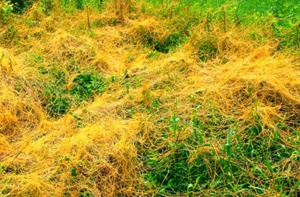
Recent advances in molecular biology and host-parasite interactions in Cuscuta spp.
Abstract
Plants of the genus Cuscuta (Cuscutaceae) are holoparasitic angiosperms that completely depend on their host plants for water, nutrients, and signaling molecules. Lacking functional roots and chlorophyll, Cuscuta species attach to their hosts through specialized organs called haustoria, forming complex physiological and molecular connections. These parasites cause significant yield losses in a wide range of economically important crops, including legumes, solanaceous plants, and forages. Recent advances in molecular biology, genomics, and transcriptomics have greatly enhanced our understanding of Cuscuta–host interactions. The sequencing of the Cuscuta campestris genome revealed massive gene loss associated with photosynthesis and metabolism, alongside horizontally transferred genes acquired from host species. Multi-omics studies have uncovered a bidirectional exchange of macromolecules-messenger RNAs, small RNAs, and regulatory proteins-across the haustorial interface, enabling Cuscuta to manipulate host gene expression and suppress immune responses. These findings have highlighted the parasite’s sophisticated molecular strategies for host exploitation. Moreover, emerging approaches such as RNA interference (RNAi) and CRISPR/Cas-mediated genome editing offer promising tools for inducing host resistance and disrupting parasite gene function. Together, these molecular insights open new avenues for the development of early detection tools, biosurveillance systems, and sustainable management strategies against Cuscuta infestations.
Keywords: Cuscuta, plant parasitism, haustorium, transcriptomics, RNA interference, host-parasite interactions
INTRODUCTION
Parasitic plants of the genus Cuscuta (family Cuscutaceae) are among the most intriguing yet damaging plant parasites worldwide (Kaiser et al., 2015; Zagorchev et al., 2025). Commonly known as dodders, these obligate holoparasites lack functional roots and, in many species, possess little or no chlorophyll, rendering them entirely dependent on their host plants for water, nutrients, and assimilates (Těšitel, 2016). Cuscuta species are widely distributed across temperate and tropical regions, infesting a broad range of host plants, including crops of high economic importance such as legumes, solanaceous vegetables, cereals, and forage species (Rajbongshi and Handique, 2025). The infestation by Cuscuta can result in significant reductions in crop yield and quality, and in severe cases, total crop loss, leading to substantial socio-economic impacts for farmers, particularly in developing countries where agricultural systems are heavily reliant on rainfed cultivation and smallholder management practices (Dechassa and Regassa, 2021; Zagorchev et al., 2025).
The biology of Cuscuta is unique: seedlings must locate a suitable host within a short time window after germination to survive (Li et al., 2015). Upon contact, they form specialized invasive structures known as haustoria, which penetrate the host’s tissues, connecting the vascular systems of the parasite and the host. Through this intimate association, Cuscuta can extract water, nutrients, and even signaling molecules, while modulating host physiology to facilitate its growth and reproduction (Lee and Lee, 2011). This highly specialized parasitic mechanism has made Cuscuta an important model for studying interspecific plant interactions and molecular cross-talk (Furuhashi et al., 2011).
Despite their widespread impact, conventional control methods such as mechanical removal or herbicide application are often limited in effectiveness due to the parasite’s rapid growth, high reproductive potential, and the close physiological integration with the host (Meighani et al., 2024). Consequently, understanding the molecular and genetic mechanisms underlying Cuscuta parasitism has become a research priority. Recent advances in genomics, transcriptomics, and molecular biology have revealed intricate host-parasite interactions, including the bidirectional transfer of RNAs and proteins, manipulation of host defense pathways, and host-specific adaptations that enable successful infestation (Doherty and Matthews, 2022).
This synthesis aims to provide a comprehensive overview of recent molecular insights into Cuscuta biology, focusing on the mechanisms of host recognition, haustorium development, and the molecular dialogue between parasite and host. By consolidating current knowledge, the review highlights potential strategies for developing sustainable management approaches and innovative interventions, such as RNA interference (RNAi) and genome editing, to mitigate the phytosanitary threat posed by Cuscuta spp. across agricultural systems worldwide. Understanding these molecular processes is essential not only for crop protection but also for advancing fundamental research on plant-plant interactions.
METHODOLOGY
Study Design
This study was conducted as a narrative literature review aimed at synthesizing current knowledge on the molecular basis of parasitism in Cuscuta spp., host–parasite interactions, and emerging biotechnological and integrated management strategies. The review focuses on recent advances in molecular biology, genomics, transcriptomics, and plant defense mechanisms related to Cuscuta parasitism (Figure 1).
Literature Search Strategy
A comprehensive literature search was carried out using major scientific databases, including PubMed, Scopus, Web of Science, ScienceDirect, and Google Scholar. Relevant studies were identified using combinations of keywords and Boolean operators (AND, OR), including:
Cuscuta spp., dodder parasitism, haustorium development, host–parasite interactions, Cuscuta transcriptomics, RNA interference AND Cuscuta, host-induced gene silencing (HIGS), CRISPR/Cas AND parasitic plants
Priority was given to recent peer-reviewed publications to ensure the inclusion of the latest findings in plant molecular biology and parasitic plant research.
Inclusion and Exclusion Criteria
The selection of references was based on predefined eligibility criteria.
Inclusion Criteria
• Peer-reviewed scientific articles published in indexed journals;
• Studies focusing on the biology, taxonomy, molecular parasitism, and host interactions of Cuscuta spp.;
• Research addressing host defense responses and biotechnological management approaches;
• Publications involving molecular, genomic, transcriptomic, or physiological analyses relevant to Cuscuta.
Exclusion Criteria
• Non-scientific publications or non-peer-reviewed sources;
• Studies lacking direct relevance to Cuscuta biology or host–parasite interactions;
• Redundant or outdated studies with limited contribution to the objectives of this review.
Data Extraction and Thematic Analysis
Selected studies were critically analyzed, and relevant information was extracted and categorized into major thematic sections:
• Biological and taxonomic characteristics of Cuscuta spp.,
• Molecular mechanisms of parasitism and haustorium development,
• Bidirectional molecular communication between host and parasite,
• Host defense responses and resistance mechanisms, and
• Biotechnological and integrated management strategies.
A comparative analysis of findings from different studies was performed to identify major advances, recurring patterns, research gaps, and future perspectives for sustainable control of Cuscuta spp.
Limitations of the Study
As a literature-based study, this review is dependent on the availability, quality, and recency of published data. Variations among studies may arise from differences in Cuscuta species, host plants, experimental conditions, and methodological approaches. Consequently, some findings should be interpreted within their specific biological and experimental contexts.
BIOLOGICAL AND TAXONOMIC OVERVIEW OF THE GENUS CUSCUTA
Morphological Characteristics
Cuscuta species are characterized by their twining, filamentous stems, which are usually yellow, orange, or pale green (Wu, 2018). The stems are delicate and thread-like, lacking substantial leaves; their vestigial leaves appear as small scales or papillae (Frey et al., 2026a). These morphological adaptations reflect their parasitic lifestyle, as photosynthesis is minimal or absent. The stems are highly flexible and can wrap around host stems in a helical manner, establishing firm contact with the host for resource extraction (Chepkoech et al., 2025) (Figure 2).
The defining feature of Cuscuta is the haustorium, a specialized structure that penetrates the host tissue to connect to the vascular system (Jhu and Sinha, 2022). Haustoria are multicellular organs capable of breaching host cell walls through enzymatic degradation and mechanical pressure, forming a direct symplastic and apoplastic connection with host phloem and xylem. This allows the parasite to siphon water, minerals, and organic compounds, effectively exploiting the host’s physiological processes (Frey et al., 2026a) (Figure 3).
The model is shown in a cross-section image of a C. australis haustorium growing into an Arabidopsis stem (Furuhashi et al., 2011). Water and mineral nutrients are transported from host xylem to dodder, and dodder uptakes sugars from host phloem. Proteins, mRNAs, and small RNAs are exchanged between dodder and host through phloem connections (Wu, 2018).
Haustorium development in Cuscuta is regulated by environmental and physiological signals, notably far-red light and mechanical stimulation (Figure 4). Far-red light signal and mechanical stimulation are known to be the two major factors in inducing Cuscuta haustorium development. Cuscuta species likely have adopted far-red light signaling transduction and use phytochromes to regulate haustorium initiation. In high red-light conditions, phytochromes are converted from inactive form (Pr) to active form (Pfr), which will translocate from the cytosol into the nucleus and interact with phytochrome interacting factors (PIFs). PIFs are transcription factors, which are likely to regulate the downstream genes involved in hormone biosynthesis or transport. Interacting with Pfr phytochromes leads to PIFs phosphorylation and subsequent degradation. In high far-red light conditions, phytochromes are in the Pr inactive form and cannot enter the nucleus. Therefore, PIFs are released from repression and activate genes involved in haustorium initiation. Mechano-sensing is another required element for Cuscuta haustorium development. A physical contact signal with hosts might activate mechano-sensory proteins such as ion channels and receptor-like kinases. Mechano-sensory ion channels elicit cytosolic Ca2+- dependent signaling and regulate downstream gene expression via unknown mechanisms. Receptor-like kinases trigger protein kinase cascades and then influence downstream gene transcription, which can lead to hormone status changes and haustorium induction (Jhu and Sinha, 2022).
The parasitic interaction of Cuscuta begins shortly after seed germination, with stem attachment and haustorial penetration into the host tissues, followed by progressive establishment on the host plant (Figure 5).
The flowers of Cuscuta are typically small, actinomorphic, and grouped in clusters. Flower morphology, including the size, color, and calyx-corolla structure, is often used in taxonomic differentiation among species (Emmy et al., 2025) (Figure 6). Reproductive strategies are predominantly sexual, producing numerous tiny seeds that are highly resilient and capable of persisting in soil seed banks for extended periods, contributing to the persistence and spread of the species (Chepkoech et al., 2025).
Taxonomic Classification
The genus Cuscuta, commonly referred to as dodders, belongs to the family Cuscutaceae within the order Solanales (Ahmad et al., 2017). This genus comprises approximately 200 species distributed worldwide, with a wide occurrence in tropical, subtropical, and temperate regions (Noureen et al., 2019). Members of the genus are obligate holoparasitic plants, meaning they are entirely dependent on their host plants for survival, lacking significant photosynthetic ability and functional roots (Shimizu and Aoki, 2019). The genus Cuscuta has historically posed taxonomic challenges due to the reduced vegetative morphology of its members and the plasticity in floral traits. Classical taxonomy was based primarily on flower structure, seed morphology, and host specificity (Lesik et al., 2024). Modern phylogenetic analyses using molecular markers (such as rbcL, matK, and ITS sequences) have provided more accurate resolutions of interspecific relationships, revealing that Cuscuta forms a monophyletic group within Cuscutaceae (Stefanović and Costea, 2008).
Phylogenetic studies have further divided the genus into several subgenera or clades based on genetic and morphological evidence. Notable subgenera include Cuscuta subg. Grammica, which contains the majority of New World species, and subg (Albal et al., 2024). Cuscuta, predominantly comprising Old World taxa. Molecular phylogenies have also revealed instances of host-driven speciation, horizontal gene transfer, and evolutionary adaptations specific to parasitism, demonstrating a remarkable degree of plasticity and genetic innovation within the genus (Segawa et al., 2025).
Parasitic Lifestyle and Host Range
The obligate parasitic nature of Cuscuta is central to its biology. Seed germination occurs independently, but seedlings must locate a suitable host within a few days, as they cannot survive for long periods without establishing contact (Nagao et al., 2025). Germination is often guided by chemical cues emitted by potential hosts, such as volatile organic compounds (VOCs) and soluble secondary metabolites. These chemical signals allow the seedling to orient its growth toward the host, initiating the attachment process (Subramani et al., 2021).
Host range varies widely among Cuscuta species, from generalists that parasitize multiple plant families to specialists with narrow host preferences. This versatility contributes to the ecological success and invasiveness of the genus (Mehmood et al., 2024). Upon contact, the twining stem forms a haustorium that penetrates the host’s cortical tissues, eventually connecting to the vascular system. This connection facilitates nutrient acquisition and may also enable the bidirectional exchange of signaling molecules and small RNAs, which are critical for manipulating host physiology (Balios et al., 2024).
Life Cycle and Reproduction
The life cycle of Cuscuta encompasses germination, host-seeking, attachment, haustorium development, vegetative growth along the host, flowering, and seed production (Bernal-Galeano et al., 2022). Seeds are small, hard-coated, and capable of remaining dormant in soil for several years, ensuring long-term survival and persistence in agricultural landscapes (Patel and Naik, 2025). Flowering occurs on the parasite stem, often forming dense inflorescences that aid in cross-pollination, although selfing is also possible. Seed dispersal is primarily through mechanical means, water, or animal-mediated transport (Zagorchev et al., 2025).
The parasitic nature of Cuscuta results in extensive physiological integration with the host, making it an ideal model for studying plant-plant interactions, nutrient acquisition, and molecular communication across species boundaries (Shi et al., 2026). Its broad host range, combined with its adaptive strategies, underscores its status as a major agricultural pest worldwide.
Ecological and Agronomic Importance
Cuscuta species have considerable ecological and agronomic significance because of their parasitic lifestyle and their ability to infect a wide range of host plants (Baráth, 2021). They parasitize a wide range of herbaceous and woody hosts, including economically important crops such as legumes, tomato, tobacco, sunflower, alfalfa, and various cereals (Lanini and Kogan, 2005). The cosmopolitan distribution and broad host range of Cuscuta make it a critical target of phytosanitary concern in many agricultural systems globally (Erdogan, 2022). By attaching to hosts through specialized structures called haustoria, they extract water, nutrients, and organic compounds, leading to reduced plant vigor, stunted growth, and lower reproductive performance (Balios et al., 2025). In heavily infested plants, parasitism may result in severe yield reduction or even complete crop loss (Sarić-Krsmanović, 2019).
In agriculture, Cuscuta species are recognized as important parasitic weeds affecting numerous crops, including alfalfa, tomato, potato, legumes, and ornamental plants (Barkessa and Ayana, 2018). Their presence can significantly reduce crop productivity and quality, causing economic losses in many regions (Kebede, 2018). The impact is often intensified because infestations spread rapidly from one plant to another, especially in dense cultivation systems (Mishra, 2009).
The persistence of Cuscuta is strongly linked to the long viability of its seeds, which may remain dormant in soil for several years and contribute to recurrent infestations (Albert et al., 2008). Moreover, young seedlings must quickly locate a suitable host to survive, making host recognition and attachment critical stages in their life cycle.
Ecologically, Cuscuta can influence plant community structure by modifying competitive interactions among species (Radouane et al., 2024). Some studies also indicate that these parasites may facilitate pathogen transmission between connected host plants (Yuan and Li, 2022). Therefore, understanding the taxonomy, biology, and ecology of Cuscuta is essential for improving control strategies, predicting its spread, and better understanding host–parasite interactions.
MOLECULAR BASIS OF PARASITISM IN CUSCUTA SPP.
Haustorium Development: Genetic and Molecular Regulation
The genus Cuscuta exemplifies one of the most sophisticated forms of plant parasitism, combining morphological, physiological, and molecular adaptations to exploit host plants (Kaiser et al., 2015). While the biological and taxonomic characteristics of Cuscuta provide insights into its ecological success, recent advances in molecular biology, genomics, and transcriptomics have revealed the intricate mechanisms underpinning its parasitic lifestyle (Okoyo, 2016).
The haustorium, a specialized organ that establishes the physiological and molecular interface between parasite and host, is central to Cuscuta parasitism. Haustorium development is a complex, multi-step process encompassing host detection, cell differentiation, cell wall penetration, and vascular connection (Emmy et al., 2025). Molecular studies have identified a range of genes that orchestrate these processes.
Transcriptomic analyses of Cuscuta campestris during haustorium initiation have revealed upregulation of genes associated with cell wall modification, such as expansins, cellulases, and pectinases, which facilitate penetration into host tissues (Pan et al., 2022). In addition, hormonal regulation plays a critical role. Auxin and cytokinin signaling pathways are differentially expressed during haustorial differentiation, guiding cell elongation and tissue invasion (Doherty and Matthews, 2022). The expression of genes involved in reactive oxygen species (ROS) production has also been implicated in facilitating host cell wall loosening and subsequent penetration (Bawin et al., 2022). Collectively, these findings indicate that haustorium formation is a genetically programmed process finely tuned to respond to host cues.
Host Recognition and Chemotropism
Seedlings of Cuscuta are entirely dependent on finding a suitable host within a limited period, as their stored resources are quickly exhausted. Molecular studies have shown that host recognition is mediated by chemical cues, including volatile organic compounds (VOCs), flavonoids, and other soluble secondary metabolites (Justin et al., 2006; Parise et al., 2021). Cuscuta seedlings exhibit chemotropism, growing directionally toward host-emitted signals. Genes encoding receptor-like kinases (RLKs) and other sensory proteins are believed to perceive these chemical signals, triggering downstream transcriptional cascades that promote haustorium initiation and attachment (Kumar and Amir, 2021).
Moreover, research suggests that the specificity of host selection is influenced by the expression of parasitism-associated genes that respond to host metabolites (Jácome-Argoti et al., 2026; Lozanova et al., 2025). Generalist species, such as C. campestris, exhibit broader transcriptional flexibility in response to multiple host-derived cues, whereas specialist species may restrict gene expression to particular metabolite profiles, resulting in a narrower host range (Bawin et al., 2023).
Bidirectional Molecular Communication
One of the most remarkable aspects of Cuscuta parasitism is the molecular dialogue established between parasite and host. The haustorial interface allows not only nutrient acquisition but also the bidirectional transfer of nucleic acids and proteins (Wu et al., 2022). Small RNAs, including microRNAs (miRNAs) and small interfering RNAs (siRNAs), are translocated from Cuscuta to host tissues, where they can downregulate host defense genes (LeBlanc et al., 2012; Tomilov et al., 2008). For example, Shahid et al. (2018) demonstrated that C. campestris miRNAs target mRNAs involved in host immune responses, suppressing salicylic acid (SA)-mediated defense pathways in Arabidopsis thaliana.
Conversely, host plants can also transfer RNA molecules and proteins into the parasite, indicating a molecular cross-talk that may influence parasitic growth (Chen et al., 2025). This bidirectional exchange suggests the existence of a highly integrated transcriptomic network across species boundaries, with regulatory RNAs acting as effectors to manipulate gene expression in both host and parasite. Such discoveries provide a molecular explanation for Cuscuta’s ability to overcome host resistance and establish successful infections.
Genomic Insights and Horizontal Gene Transfer
The sequencing of the Cuscuta campestris genome has provided critical insights into the genetic basis of parasitism. Vogel et al. (2018) reported a massive loss of genes associated with photosynthesis, consistent with the holoparasitic lifestyle. In contrast, genes involved in nutrient transport, cell wall degradation, and haustorium development are highly expanded or selectively expressed.
Remarkably, Cuscuta exhibits horizontal gene transfer (HGT) from its host species. Several nuclear genes appear to have been acquired from host genomes, and some are expressed in the haustorium, suggesting adaptive advantages for host exploitation (Edema et al., 2024). These horizontally transferred genes may encode enzymes facilitating nutrient uptake, defense suppression, or cell wall remodeling, highlighting an extraordinary mechanism of molecular innovation in parasitic plants.
Host Defense and Parasite Counter-Defense
Despite the sophisticated molecular toolkit of Cuscuta, host plants can mount effective defenses. Molecular analyses have revealed that successful hosts activate salicylic acid (SA), jasmonic acid (JA), and ethylene (ET) signaling pathways at the site of attachment (Shi et al., 2026). Pathogenesis-related (PR) proteins accumulate, and lignification occurs to restrict haustorial penetration (Ayvacı et al., 2025a). Certain resistant cultivars express receptor-like proteins and R genes that detect parasitic invasion and initiate localized cell death, preventing vascular connection.
In response, Cuscuta expresses effectors, small RNAs, and proteins that counteract host defenses, suppress immune signaling, and promote susceptibility. RNA interference (RNAi) studies have demonstrated that targeting specific parasite genes involved in haustorium formation or effector production can reduce parasitism, providing proof-of-concept for biotechnological control strategies (Westwood and Kim, 2017).
HOST DEFENSE AND MOLECULAR INTERACTIONS WITH CUSCUTA SPP.
Host Recognition of Parasitic Attack
Host plants perceive parasitic invasion through multiple sensory modalities. The attachment and penetration by haustoria trigger mechanical and chemical sensing mechanisms. Mechanoreceptors in host cell membranes can detect physical perturbation caused by the parasite, initiating localized defense responses (Masumoto et al., 2021). Additionally, host plants recognize parasite-derived molecular patterns, such as elicitor proteins and small RNAs, which act similarly to pathogen-associated molecular patterns (PAMPs) in plant-pathogen interactions. The activation of PAMP-triggered immunity (PTI) leads to early signaling events, including calcium influx, reactive oxygen species (ROS) production, and mitogen-activated protein kinase (MAPK) cascades (Joel et al., 2013). Chemical signaling also plays a critical role. Host plants may detect volatile organic compounds (VOCs) emitted by Cuscuta seedlings during host-seeking or haustorial establishment (Kaga et al., 2020). Perception of these cues can prime host defenses even before the physical contact occurs, suggesting a form of pre-emptive immunity that limits parasite establishment.
Hormonal Regulation of Host Defense
Phytohormones constitute a central component of the host’s defense strategy against Cuscuta. Salicylic acid (SA), jasmonic acid (JA), and ethylene (ET) signaling pathways are commonly activated in response to parasitic attack (Li et al., 2019). SA-mediated pathways are typically associated with systemic acquired resistance (SAR) and defense against biotrophic parasites, while JA and ET pathways regulate defense responses to necrotrophic pathogens and herbivory. In the context of Cuscuta, studies have shown a strong induction of SA-dependent defense genes in resistant tomato and Arabidopsis accessions following haustorial penetration (Kolanchi et al., 2025). Concurrently, JA and ET-responsive genes modulate the production of secondary metabolites, lignification, and the reinforcement of cell walls around the invasion site (Runyon et al., 2010). Cross-talk among these hormonal pathways allows the host to fine-tune defense responses. For instance, SA accumulation can antagonize JA signaling, whereas ET often modulates the amplitude of both SA and JA responses (Smith et al., 2009). This hormonal network provides a flexible framework to respond effectively to diverse Cuscuta species and host tissue types.
Cellular and Molecular Defense Mechanisms
Upon recognition of parasitism, hosts deploy structural and molecular defenses to restrict haustorial penetration and vascular connectivity. One primary response is cell wall reinforcement, which includes lignification, suberin deposition, and callose accumulation at the site of haustorial contact (Johnsen et al., 2015). These modifications reduce the ability of the parasite to establish a functional connection with the host phloem and xylem.
Additionally, host plants activate pathogenesis-related (PR) proteins with antifungal, antimicrobial, and proteinase inhibitory activities (Albert et al., 2020). These proteins may inhibit the enzymatic machinery of Cuscuta haustoria, preventing efficient cell wall degradation and nutrient extraction. The transcriptional activation of PR genes is often coordinated through the SA and JA signaling pathways and can involve systemic signals that prime adjacent tissues for enhanced defense (Frey et al., 2026b).
Reactive oxygen species (ROS) accumulation is another critical defense mechanism. ROS production at the site of haustorial contact serves both as a direct antimicrobial and anti-parasitic agent and as a signaling molecule that amplifies defense gene expression (Ayvacı et al., 2025a). Some resistant host plants exhibit a rapid ROS burst that correlates with restricted haustorial penetration and parasite growth.
Small RNA-Mediated Defense
Emerging evidence highlights the pivotal role of small RNAs (sRNAs) in host defense against Cuscuta. Host plants can produce microRNAs (miRNAs) and small interfering RNAs (siRNAs) that are transported into the parasite via the haustorial interface (Zangishei et al., 2022). These sRNAs can silence critical parasite genes involved in haustorium development, nutrient acquisition, and effector production, effectively reducing parasitic fitness. This phenomenon, known as host-induced gene silencing (HIGS), represents a promising strategy for engineering parasite-resistant crops (Hou and Ma, 2020).
Conversely, Cuscuta delivers its own sRNAs into host tissues to suppress defense gene expression. This bidirectional RNA trafficking creates a molecular tug-of-war, with the parasite attempting to dampen host responses while the host counters with RNA-mediated silencing of parasite targets (Li et al., 2022). Understanding these molecular exchanges is crucial for designing effective RNAi-based interventions.
Genetic Determinants of Host Resistance
Genetic variation among host species and cultivars determines the outcome of Cuscuta infestation. Resistance often involves quantitative trait loci (QTLs) associated with haustorial recognition, cell wall fortification, and secondary metabolite production (Sarić-Krsmanović, 2019). For example, according to Jhu et al. (2019), resistant tomato lines express receptor-like proteins that detect parasite effectors and trigger localized cell death, known as the hypersensitive response (HR), which prevents vascular connection. Similarly, some Arabidopsis ecotypes exhibit differential expression of SA-responsive genes that limit parasite proliferation (Van Leeuwen et al., 2007).
Breeding programs are increasingly focused on incorporating these resistance traits into elite cultivars, aided by molecular markers and transcriptomic profiling. Functional genomics approaches, including CRISPR/Cas gene editing, offer opportunities to validate candidate resistance genes and engineer crops with enhanced defense against Cuscuta spp.
BIOTECHNOLOGICAL AND INTEGRATED MANAGEMENT STRATEGIES AGAINST CUSCUTA SPP.
Host-Induced Gene Silencing (HIGS)
Host-induced gene silencing (HIGS) is a promising molecular strategy to control Cuscuta by exploiting the bidirectional RNA transfer across haustorial interfaces (Koch and Wassenegger, 2021). In HIGS, host plants are engineered to express small RNAs (siRNAs or miRNAs) that specifically target essential parasite genes (Zand Karimi and Innes, 2022). These RNAs are translocated into the parasite via the haustoria, where they silence critical genes involved in haustorium development, nutrient transport, or effector production. Experimental studies have demonstrated the efficacy of HIGS against Cuscuta pentagona and C. campestris (Jhu et al., 2022; Wu et al., 2022). For example, silencing genes encoding cell wall-modifying enzymes or parasitism-related transcription factors resulted in reduced haustorial penetration, stunted growth, and lower reproductive output in the parasite (Redkar, 2018). HIGS represents a highly specific, environmentally safe alternative to chemical control, as it minimizes off-target effects and does not persist in the ecosystem.
RNA Interference (RNAi)-Based Approaches
Beyond HIGS, RNAi can be applied directly as a sprayable technology. Exogenous double-stranded RNAs (dsRNAs) targeting parasite genes can be applied to host plants or soil, where they are absorbed and transferred into Cuscuta during haustorial contact (Qi et al., 2024). Preliminary studies indicate that topical RNAi application can reduce parasite vigor, suggesting potential for field-level control without the need for stable transgenic crops (C. Chen et al., 2025). Integration of RNAi-based sprays with conventional cultural practices may enhance effectiveness and reduce reliance on synthetic herbicides.
CRISPR/Cas Genome Editing
CRISPR/Cas-mediated genome editing offers future potential to develop both resistant hosts and to study parasite gene function. In host plants, editing susceptibility genes (S-genes) involved in facilitating haustorial penetration can enhance resistance(Jhu et al., 2023). Conversely, although technical challenges remain, CRISPR/Cas could be used to disrupt essential parasitism genes in Cuscuta, enabling functional studies of effector proteins, RNA transfer mechanisms, and haustorial differentiation (Shi et al., 2026). Combining genome editing with HIGS or RNAi strategies could provide multi-layered, durable resistance.
Breeding for Resistance
Traditional and molecular breeding approaches remain essential components of integrated management of Cuscuta. Resistant host varieties are characterized by enhanced cell wall fortification, rapid hypersensitive responses, and induction of defense-related pathways such as SA, JA, and ET signaling (Takagawa and Yokoyama, 2025). Marker-assisted selection (MAS) and genomic selection can accelerate the development of resistant cultivars by identifying quantitative trait loci (QTLs) associated with host defense (González-Fuente, 2024). Additionally, transcriptomic studies of resistant versus susceptible cultivars can reveal candidate genes for breeding or biotechnological intervention (Yang et al., 2023).
Cultural and Agronomic Practices
While molecular and biotechnological strategies offer long-term solutions, integrating these approaches with cultural practices is critical for effective management. Recommended practices include, early detection and manual removal: Seedlings can be physically removed before haustorial attachment, reducing parasite establishment (Yuvarani et al., 2025). Rotating susceptible and non-host crops can reduce parasite populations and soil seed banks (Sharma et al., 2024). Certain non-host plants may act as trap crops, stimulating germination of Cuscuta seeds without permitting successful attachment. Dense planting of the main crop can reduce parasite seedling access to host tissues (CABI, 2019). Removing infected plant material and cleaning equipment prevents dispersal of seeds and vegetative fragments (Sandler, 2010).
Chemical Control
Chemical control remains a supplementary strategy, particularly for high-value crops. Selective herbicides, such as glyphosate, can be applied to susceptible hosts or as post-emergent treatments to control Cuscuta seedlings (Meighani et al., 2024). However, caution is necessary due to the close physical integration between parasite and host, which can lead to host injury (Ayvacı et al., 2025b). Chemical treatments are most effective when combined with early detection, mechanical removal, and resistant cultivars.
Biological Control
Biological control of Cuscuta has been explored using natural enemies, including fungi, bacteria, and insects. Certain fungal pathogens can infect Cuscuta tissues and inhibit haustorial development (Runyon et al., 2008). Insect herbivores, such as leaf-feeding beetles or stem-boring larvae, have shown localized control effects in some experimental systems (Zagorchev et al., 2025). Although biological control alone may not achieve complete eradication, it can complement molecular and cultural strategies, particularly in integrated pest management (IPM) frameworks.
Integrated Pest Management (IPM)
The complexity of Cuscuta parasitism necessitates a multifaceted, integrated approach. Effective IPM combines, resistant cultivars developed through breeding or biotechnological intervention (HIGS, RNAi), cultural practices that reduce seed bank density, disrupt parasite-host contact, and limit spread, biological control agents to target parasite tissues, chemical treatments applied judiciously to minimize crop damage and environmental impact, molecular diagnostics for early detection, monitoring, and prediction of infestation risk (Fernández-Aparicio et al., 2020; Redkar, 2018; Zagorchev et al., 2025). The integration of molecular insights into IPM allows for precision targeting of the parasite, improved sustainability, and reduced dependence on non-specific herbicides.
CONCLUSION
Cuscuta species are among the most problematic parasitic plants for global agriculture, threatening yields, food security, and plant health. Lacking roots and chlorophyll, they exploit haustoria to establish close connections with their hosts and divert nutrients and biological signals. Advances in molecular biology and genomics have revealed bidirectional exchanges of RNA, proteins, and signaling molecules. These findings support new control methods, such as RNAi, HIGS, and CRISPR/Cas, which complement conventional agronomic practices and early monitoring.
REFERENCES
Ahmad A., Tandon S., Xuan T.D., Nooreen Z. (2017). A review on phytoconstituents and biological activities of Cuscuta species. Biomedicine and Pharmacotherapy, 92: 772‑795.
Albal A., Costea M., Stefanović S. (2024). Molecular systematics of Cuscuta subgenus Monogynella (Convolvulaceae) based on plastid and nuclear sequences. Taxon, 73: 1460‑1472.
Albert M., Axtell M.J., Timko, M.P. (2020). Mechanisms of resistance and virulence in parasitic plant–host interactions. Plant Physiology, 185: 1282‑1291.
Albert M., Belastegui-Macadam X.M., Bleischwitz M., Kaldenhoff R. (2008). Cuscuta spp: “Parasitic Plants in the Spotlight of Plant Physiology, Economy and Ecology”. In U. Lüttge, W. Beyschlag, and J. Murata (Éds.), Progress in Botany, 69: 267‑277. Springer.
Ayvacı H., Güldür M.E., Dikilitas M. (2025a). Physiological and biochemical responses of Medicago sativa L. Infected by Cuscuta sp. Life, 15: 1892.
Balios V.A., Fischer K., Bawin T., Krause K. (2025). One organ to infect them all: The Cuscuta haustorium. Annals of Botany, 135: 823‑840.
Baráth K. (2021). Effect of species environment on host preference of Cuscuta campestris. Plant Ecology, 222: 1023‑1032.
Barkessa M., Ayana B. (2018). Economically Important Parasitic Weeds and Their Management Practices in Crops. Journal of Environment and Earth Science, 8: 104-115.
Bawin T., Bruckmüller J., Olsen S., Krause K. (2022). A host‐free transcriptome for haustoriogenesis in Cuscuta campestris: Signature gene expression identifies markers of successive development stages. Physiologia Plantarum, 174: e13628.
Bawin T., Didriksen A., Faehn C., Olsen S., Sørensen I., Rose J. K.C., Krause K. (2023). Cuscuta campestris fine-tunes gene expression during haustoriogenesis as an adaptation to different hosts. Plant Physiology, 194: 258‑273.
Bernal-Galeano V., Beard K., Westwood J.H. (2022). An artificial host system enables the obligate parasite Cuscuta campestris to grow and reproduce in vitro. Plant Physiology, 189: 687‑702.
CABI (2019). Cuscuta epithymum (alfalfa dodder). CABI Compendium, CABI Compendium, 17114.
Chen C., Imran M., Feng X., Shen X., Sun Z. (2025). Spray-induced gene silencing for crop protection: Recent advances and emerging trends. Frontiers in Plant Science, 16: 1527944.
Chen Y., Wu H., Cai J., Guo S., Gan X., Liu X., Yang J. (2025). Molecular translocation between parasitic plants and their hosts. Frontiers in Plant Science, 16: 1716304.
Chepkoech E., Ngode L., Oimbo L., Alkamoi B., Kokwon C. (2025). Assessment of Morphological Diversity of Cuscuta Species based on Floral Morphology. European Journal of Botany, 3: 1‑5.
Dechassa N., Regassa B. (2021). Current Status, Economic importance and Management of Dodders (Cuscuta Spp) of Important Crops. Advances in Life Science and Technology. 87: 16-21.
Doherty J.-F., Matthews B.J. (2022). Host Manipulation, Gene Editing, and Non-Traditional Model Organisms: A New Frontier for Behavioral Research? Frontiers in Insect Science, 2: 938644.
Edema H., Bawin T., Olsen S., Krause K., Karppinen K. (2024). Parasitic dodder expresses an arsenal of secreted cellulases with multi-substrate specificity during host invasion. Plant Physiology and Biochemistry, 210: 108633.
Kaiser B., Fürst U.B., Vogg G., Albert M. (2015). Parasitic plants of the genus Cuscuta and their interaction with susceptible and resistant host plants. Frontiers in Plant Science, 6: 45.
Emmy C., Ngode L., Oimbo L., Bonface A., Kokwon C. (2025). Assessment of Morphological Diversity of Cuscuta Species based on Floral Morphology. European Journal of Botany, 3: 1‑5.
Erdogan P. (2022). Parasitic Plants in Agriculture and Management. In A. Maria Gonzalez & H. Arnaldo Sato (Éds.), Parasitic Plants. IntechOpen.
Fernández-Aparicio M., Delavault P., Timko M.P. (2020). Management of Infection by Parasitic Weeds: A Review. Plants, 9: 1184.
Frey C., López-López L., Martínez-Toral A., Castro D., Acebes J.L. (2026a). Cell Wall Dynamics in Haustorial Development of Cuscuta campestris During Parasitism on Differentially Susceptible Hosts. International Journal of Molecular Sciences, 27: 1914.
Frey C., López-López L., Martínez-Toral A., Castro D., Acebes J.L. (2026b). Cell Wall Dynamics in Haustorial Development of Cuscuta campestris During Parasitism on Differentially Susceptible Hosts. International Journal of Molecular Sciences, 27: 1914.
Furuhashi T., Furuhashi K., Weckwerth W. (2011). The parasitic mechanism of the holostemparasitic plant Cuscuta. Journal of Plant Interactions, 6: 207‑219.
González-Fuente M. (2024). Parasitic plants are one step ahead: Cuscuta responds transcriptionally to different hosts. Plant Physiology, 194: 609‑611.
Hou Y., Ma W. (2020). Natural Host-Induced Gene Silencing Offers New Opportunities to Engineer Disease Resistance. Trends in Microbiology, 28: 109‑117.
Jácome-Argoti K., Flores-Ruiz J., Naranjo-Morán J. (2026). From Parasite to Tool: Molecular and Ecological Insights into Cuscuta campestris as a Biotechnological Asset. In G. F. Olmedo Cifuentes, D. G. Arcos Avilés, & H. V. Lara Padilla (Éds.), Emerging Research in Intelligent Systems, 1880: 299‑315. Springer Nature Switzerland.
Jhu M.-Y., Ellison E.E., Sinha N.R. (2023). CRISPR gene editing to improve crop resistance to parasitic plants. Frontiers in Genome Editing, 5: 1289416.
Jhu M.-Y., Farhi M., Wang L., Philbrook R.N., Belcher M.S., Nakayama H., Zumstein K.S., Rowland S.D., Ron M., Shih P.M., Sinha N.R. (2019). Lignin-based resistance to Cuscuta campestris parasitism in Heinz resistant tomato cultivars. bioRxiv: 706861.
Jhu M.-Y., Farhi M., Wang L., Zumstein K., Sinha N.R. (2022). Investigating Host and Parasitic Plant Interaction by Tissue-Specific Gene Analyses on Tomato and Cuscuta campestris Interface at Three Haustorial Developmental Stages. Frontiers in Plant Science, 12: 764843.
Jhu M.-Y., Sinha N.R. (2022). Cuscuta species: Model organisms for haustorium development in stem holoparasitic plants. Frontiers in Plant Science, 13: 1086384.
Joel D.M., Gressel J., Musselman L.J. (Éds.) (2013). Parasitic Orobanchaceae : Parasitic Mechanisms and Control Strategies. Springer Berlin Heidelberg.
Johnsen H.R., Striberny B., Olsen S., Vidal‐Melgosa S., Fangel J. U., Willats W.G.T., Rose J.K.C., Krause K. (2015). Cell wall composition profiling of parasitic giant dodder (Cuscuta reflexa) and its hosts: A priori differences and induced changes. New Phytologist, 207: 805‑816.
Justin B.R., Mescher M.C., Moraes C.M.D. (2006). Volatile chemical cues guide host location and host selection by parasitic plants. Science, 313: 1964-1967.
Kaga Y., Yokoyama R., Sano R., Ohtani M., Demura T., Kuroha T., Shinohara N., Nishitani K. (2020). Interspecific Signaling Between the Parasitic Plant and the Host Plants Regulate Xylem Vessel Cell Differentiation in Haustoria of Cuscuta campestris. Frontiers in Plant Science, 11:00193.
Kaiser B., Vogg G., Fürst U.B., Albert M. (2015). Parasitic plants of the genus Cuscuta and their interaction with susceptible and resistant host plants. Frontiers in Plant Science, 6: 45.
Kebede, M. (2018). Economically Important Parasitic Weeds and Their Management Practices in Crops. J. Environ. Earth Sci., 8; 104-115.
Koch A., Wassenegger M. (2021). Host-induced gene silencing—Mechanisms and applications. The New Phytologist, 231: 54‑59.
Kolanchi P., Marimuthu M., Venkatasamy B., Krish K.K., Sankarasubramanian H., Mannu J. (2025). Phytohormonal signaling network and immune priming pertinence in plants to defend against insect herbivory. Plant Stress, 16: 100850.
Kumar K., Amir R. (2021). The Effect of a Host on the Primary Metabolic Profiling of Cuscuta Campestris’ Main Organs, Haustoria, Stem and Flower. Plants, 10: 2098.
Lanini W.T., Kogan M. (2005). Biology and management of Cuscuta in crops. Ciencia e Investigación Agraria, 32: 127‑141.
LeBlanc M.L., Kim G., Westwood J.H. (2012). RNA trafficking in parasitic plant systems. Frontiers in Plant Science, 3: 00203.
Lee K., Lee C. (2011). The structure and development of the haustorium in Cuscuta australis. Canadian Journal of Botany, 67: 2975‑2982.
Lesik E.V., Kreshchenok I.A., Leusova N.Y., Darman G.F. (2024). Morphological characteristics of seeds of four species of the genus Cuscuta (Cuscutaceae) of the Amur Region. Botanicheskii Zhurnal, 109: 780-792.
Li J., Hettenhausen C., Sun G., Zhuang H., Li J.-H., Wu J. (2015). The Parasitic Plant Cuscuta australis Is Highly Insensitive to Abscisic Acid-Induced Suppression of Hypocotyl Elongation and Seed Germination. PLoS ONE, 10: e0135197.
Li N., Han X., Feng D., Yuan D., Huang L.-J. (2019). Signaling Crosstalk between Salicylic Acid and Ethylene/Jasmonate in Plant Defense: Do We Understand What They Are Whispering? International Journal of Molecular Sciences, 20: 671.
Li T., Deng Y., Huang J., Liang J., Zheng Y., Xu Q., Fan S., Li W., Deng X., Zheng Z. (2022). Bidirectional mRNA transfer between Cuscuta australis and its hosts. Frontiers in Plant Science, 13: 980033.
Lozanova V., Teofanova D., Chakarova B., Rusanov K., Pachedjieva K., Tosheva A., Zagorcheva T., Zagorchev L. (2025). The Antioxidant Properties of Extracts of Cuscuta spp. Depend on the Parasite and the Host Species. Antioxidants, 14: 761.
Masumoto N., Suzuki Y., Cui S., Wakazaki M., Sato M., Kumaishi K., Shibata A., Furuta K.M., Ichihashi Y., Shirasu K., Toyooka K., Sato Y., Yoshida S. (2021). Three-dimensional reconstructions of haustoria in two parasitic plant species in the Orobanchaceae. Plant Physiology, 185: 1429‑1442.
Mehmood A., Sultan A., Iqbal T., Ahmad N., Rashid M., Afzal Shah S. (2024). Host range and host preference of Cuscuta species (Convolvulaceae) in Karak, Kohat and Bannu districts, Khyber Pakhtunkhwa, Pakistan. Pakistan Journal of Botany, 56: 1873-1880.
Meighani F., Mamnoei E., Hatami S., Samadi-Kalkhoran E., Khalil-Tahmasebi B., Korres N.E., Bajwa A.A. (2024). Chemical Control of the Field Dodder (Cuscuta campestris) in New-Seeded Alfalfa (Medicago sativa). Agronomy, 14: 1643.
Mishra J.S. (2009). Biology and Management of Cuscuta species. Indian Journal of Weed Science, 41: 1-11.
Nagao K., Takahashi T., Yokoyama R. (2025). Effect of environmental conditions on seed germination and seedling growth in Cuscuta campestris. Plant Growth Regulation, 105: 1157‑1167.
Noureen S., Noreen S., Ghumman S.A., Batool F., Bukhari S.N.A. (2019). The genus Cuscuta (Convolvolaceae): An updated review on indigenous uses, phytochemistry, and pharmacology. Iranian Journal of Basic Medical Sciences, 22: 1225‑1252.
Okoyo M.J. (2016). Taxonomy, distribution and host range of Cuscuta species. PhD Thesis, Kenyatta University.
Pan H., Li Y., Chen L., Li J. (2022). Molecular Processes of Dodder Haustorium Formation on Host Plant under Low Red/Far Red (R/FR) Irradiation. International Journal of Molecular Sciences, 23: 7528.
Parise A.G., Reissig G.N., Basso L.F., Senko L.G.S., Oliveira T.F. de C., de Toledo G.R.A., Ferreira A.S., Souza G.M. (2021). Detection of Different Hosts From a Distance Alters the Behaviour and Bioelectrical Activity of Cuscuta racemosa. Frontiers in Plant Science, 12: 594195.
Patel M.A., Naik S. (2025). Seed dormancy: nature’s strategy for plant survival. Agri-India Today, 5: 183-187.
Qi H.-Y., Zhang D.-D., Liu B., Chen J.-Y., Han D., Wang D. (2024). Leveraging RNA interference technology for selective and sustainable crop protection. Frontiers in Plant Science, 15: 1502015.
Radouane N., Errafii K., Mouhib S., Mhand K.A., Legeay J., Hijri M. (2024). Potential Plant-To-Plant Transmission: Shared Endophytic Bacterial Community Between Ziziphus lotus and Its Parasite Cuscuta epithymum. Microbial Ecology, 87: 119.
Rajbongshi, A., & Handique, L. (2025). Tangled Threats : Understanding Cuscuta’s Role in Environmental Decline (p. 154‑183).
Redkar A. (2018). MicroRNAs from the parasitic plant Cuscuta campestris target host messenger RNAs. Nature, 553: 82-85.
Runyon J.B., Mescher M.C., De Moraes C.M. (2008). Parasitism by Cuscuta pentagona Attenuates Host Plant Defenses against Insect Herbivores. Plant Physiology, 146: 987‑995.
Runyon J.B., Mescher M.C., Felton G.W., De Moraes C.M. (2010). Parasitism by Cuscuta pentagona sequentially induces JA and SA defence pathways in tomato. Plant, Cell & Environment, 33: 290‑303.
Sandler H.A. (2010). Managing Cuscuta gronovii (Swamp Dodder) in Cranberry Requires an Integrated Approach. Sustainability, 2: 660‑683.
Sarić-Krsmanović M. (2019). Field Dodder Life Cycle and Interaction with Host Plants. In J.-M. Merillon & K. G. Ramawat (Éds.), Co-Evolution of Secondary Metabolites (p. 1‑20). Springer International Publishing.
Segawa T., Yoshizumi S., Toyonaga H., Shiraishi A., Sato K., Yamabe T., Takagi M., Takagawa M., Yokoyama R., Itoh T., Ono E. (2025). Chromosome-scale Genome Assemblies of Two Allopolyploid Cuscuta Species Uncover Genomic Signatures of Parasitic Lifestyle and Polyploid Evolution. Plant and Cell Physiology, Special issue on Parasitic Plants.
Shahid S., Kim G., Johnson N.R., Wafula E., Wang F., Coruh C., Bernal-Galeano V., Phifer T., dePamphilis C.W., Westwood J.H., Axtell M.J. (2018). MicroRNAs from the parasitic plant Cuscuta campestris target host messenger RNAs. Nature, 553: 82‑85.
Sharma S., Fayaz S., Kaur A., Reddy M.H. (2024). Allelopathy and genetic engineering for management of Cuscuta campestris L. Allelopathy Journal, 63: 103‑112.
Shi J., Xie Q., Yu F. (2026). Parasitic Plant–Host Interactions: Molecular Mechanisms and Agricultural Resistance Strategies. Advanced Science, 13: e19030.
Shimizu K., Aoki K. (2019). Development of Parasitic Organs of a Stem Holoparasitic Plant in Genus Cuscuta. Frontiers in Plant Science, 10: 1435.
Smith J.L., De Moraes C.M., Mescher M.C. (2009). Jasmonate‐ and salicylate‐mediated plant defense responses to insect herbivores, pathogens and parasitic plants. Pest Management Science, 65: 497‑503.
Stefanović S., Costea M. (2008). Reticulate evolution in the parasitic genus Cuscuta (Convolvulaceae): Over and over again Botany, 86: 791‑808.
Subramani V., Pagadala Damodaram K.J., Goravale Krishnegowda R., Parepally S.K., Kempraj V., Thimmappa R., Kodthalu Seetharamaiah S., Vaddi S., Hookunda Boregowda L. (2021). Volatile chemical signals underlying the host plant preferences of Tuta absoluta. Entomologia Experimentalis et Applicata, 169: 997‑1007.
Takagawa M., Yokoyama R. (2025). Current understanding of the role of the cell wall in Cuscuta parasitism. Plant Biology, 27: 1235‑1243.
Těšitel J. (2016). Functional biology of parasitic plants: A review. Plant Ecology and Evolution, 149: 5‑20.
Tomilov A.A., Tomilova N.B., Wroblewski T., Michelmore R., Yoder J.I. (2008). Trans‐specific gene silencing between host and parasitic plants. The Plant Journal, 56: 389‑397.
Van Leeuwen H., Kliebenstein D.J., West M.A.L., Kim K., Van Poecke R., Katagiri F., Michelmore R.W., Doerge R.W., St.Clair D.A. (2007). Natural Variation among Arabidopsis thaliana Accessions for Transcriptome Response to Exogenous Salicylic Acid. The Plant Cell, 19: 2099‑2110.
Vogel A., Schwacke R., Denton A.K., Usadel B., Hollmann J., Fischer K., Bolger A., Schmidt M.H.-W., Bolger M.E., Gundlach H., Mayer K.F.X., Weiss-Schneeweiss H., Temsch E.M., Krause K. (2018). Footprints of parasitism in the genome of the parasitic flowering plant Cuscuta campestris. Nature Communications, 9: 2515.
Westwood J.H., Kim G. (2017). RNA mobility in parasitic plant – host interactions. RNA Biology, 14: 450‑455.
Wu J. (2018). miRNAs as a Secret Weapon in the Battlefield of Haustoria, the Interface between Parasites and Host Plants. Molecular Plant, 11: 354‑356.
Wu Y., Luo D., Fang L., Zhou Q., Liu W., Liu Z. (2022). Bidirectional lncRNA Transfer between Cuscuta Parasites and Their Host Plant. International Journal of Molecular Sciences, 23: 561.
Yang X., Yan S., Li Y., Li G., Sun S., Li J., Cui Z., Huo J., Sun Y., Wang X., Liu F. (2023). Comparison of Transcriptome between Tolerant and Susceptible Rice Cultivar Reveals Positive and Negative Regulators of Response to Rhizoctonia solani in Rice. International Journal of Molecular Sciences, 24: 14310.
Yuan Y., Li J. (2022). Effects of Parasitism on the Competitive Ability of Invasive and Native Species. Life, 12: 1800.
Yuvarani R., Shankar U., Gowdar S.B., Kumar S., Hiremath S.S. (Éds.). (2025). Plant Health and Disease Management: A Modern Approach (1re éd.). Textify Publishers.
Zagorchev L., Zagorcheva T., Teofanova D., Odjakova M. (2025). Methods of Control of Parasitic Weeds of the Genus Cuscuta-Current Status and Future Perspectives. Plants, 14: 2321.
Zand Karimi H., Innes R.W. (2022). Molecular mechanisms underlying host-induced gene silencing. The Plant Cell, 34: 3183‑3199.
Zangishei Z., Annacondia M.L., Gundlach H., Didriksen A., Bruckmüller J., Salari H., Krause K., Martinez G. (2022). Parasitic plant small RNA analyses unveil parasite-specific signatures of microRNA retention, loss, and gain. Plant Physiology, 190: 1242‑1259.